Common Foot Conditions
Causes, symptoms, and treatments
Professional foot care can help treat and manage a range of common foot problems.
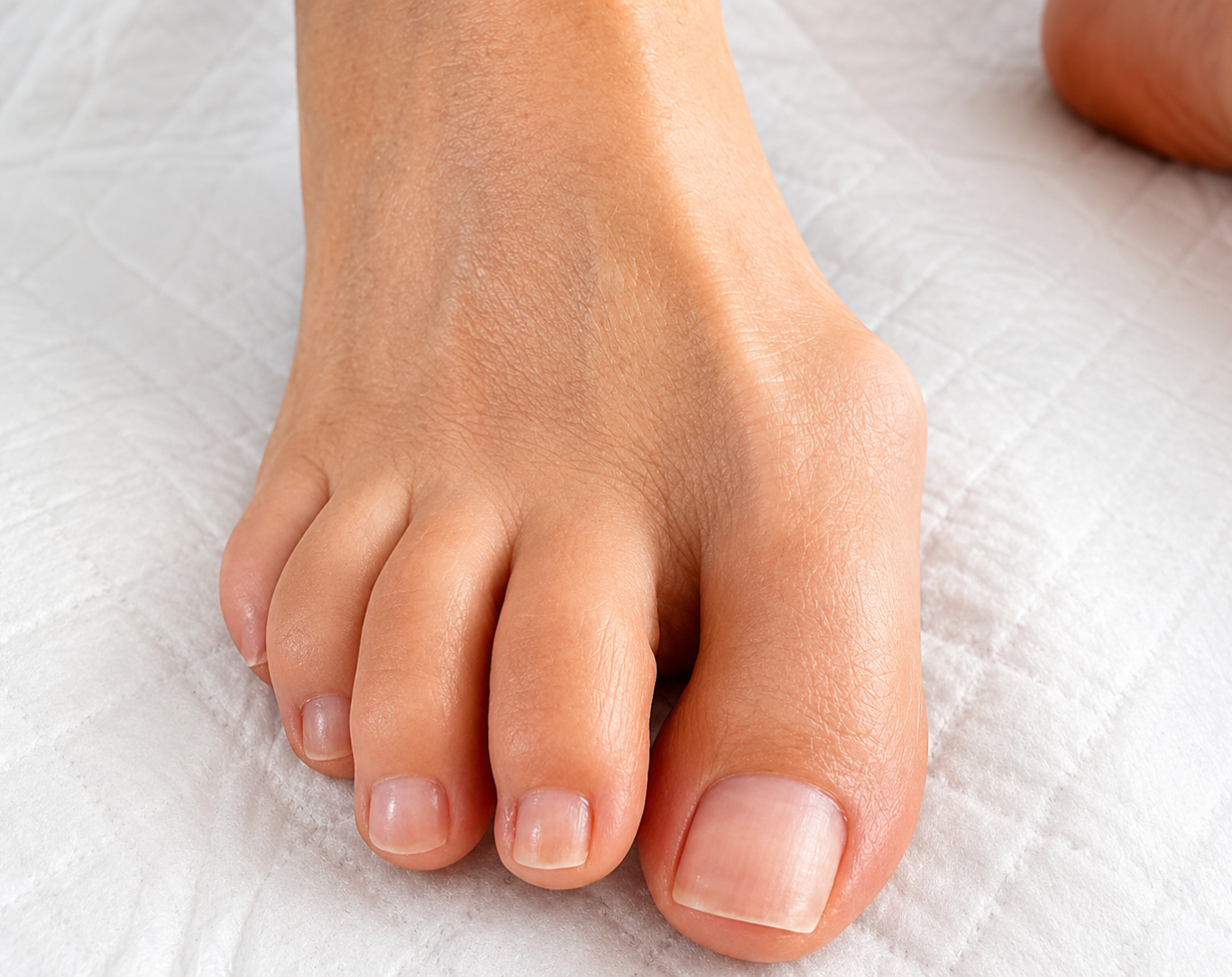
Nail Conditions
Healthy toenails are an important part of foot health. Sole Wellness can assess, treat, and help prevent a wide range of nail conditions, keeping your feet comfortable and reducing the risk of complications.
I can help with:
- Thickened toenails
- Fungal nail infections
- Ingrown toenails
- Curved (involuted) nails
- Damaged or traumatised nails
- Discoloured nails
- Cracked or split nails
- Brittle nails
- Painful toenails
- Corns around the nail
- Nail trimming for difficult-to-reach or thick nails
- Routine nail care for older adults and those with reduced mobility
How i can help
- Professional nail cutting and thinning of thickened nails
- Safe reduction of painful nail thickness
- Treatment of ingrown toenails (where appropriate)
- Removal of debris beneath thickened nails
- Advice on fungal nail management and prevention
- Footwear and self-care advice to reduce recurring nail problems
- Referral to another healthcare professional if further investigation or treatment is needed
This service is suitable for people of all ages, including those with diabetes, reduced mobility, or anyone finding it difficult to care for their own feet.
Calluses
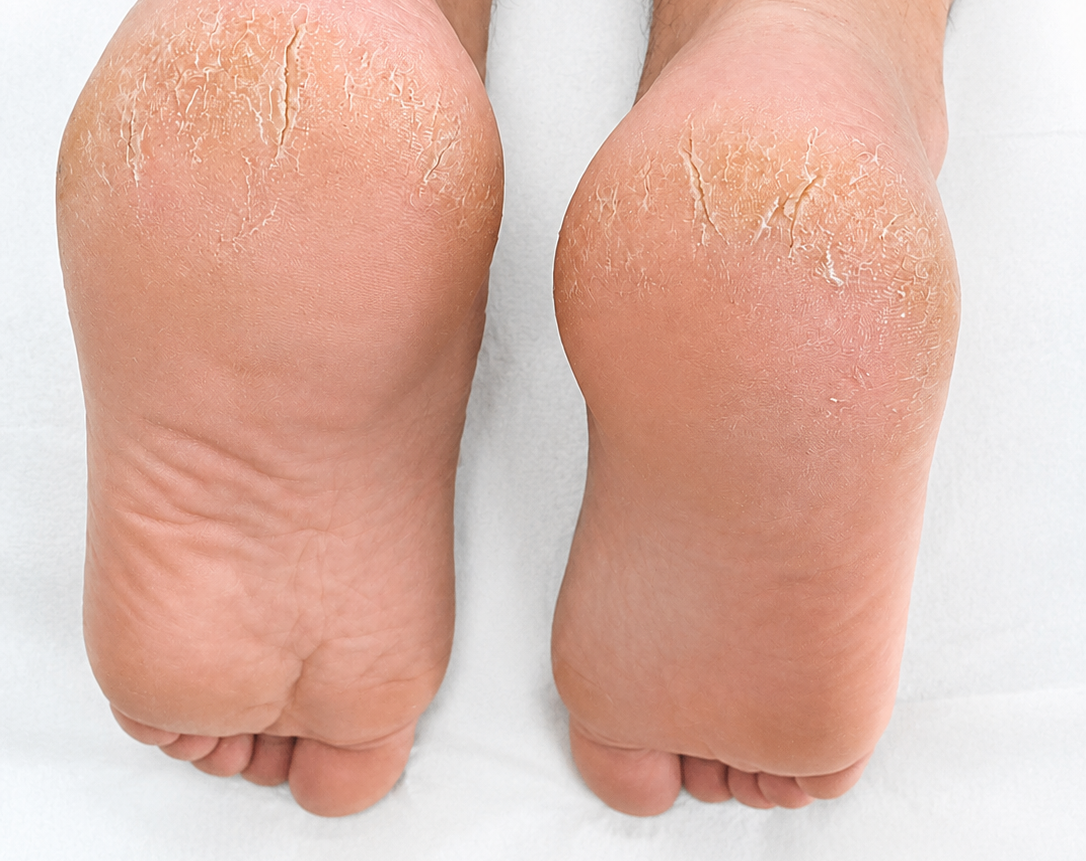
Calluses are larger areas of thickened skin, the body’s response to repeated pressure or friction, so effective treatment usually focuses on reducing that pressure as well as removing the hardened skin.
Sole Wellness can help with calluses by treating both the thickened skin itself and the underlying cause that made it develop.
How i can help:
- Assessment: Examine your feet to determine why the callus has formed, looking at your gait, footwear, foot shape, and any underlying conditions such as diabetes, arthritis, or bunions.
- Safe removal: Using sterile instruments, carefully reduce or remove the thickened skin. This is generally much safer than attempting to cut calluses yourself.
- Pressure relief: May recommend padding, toe separators, or simple insoles to redistribute pressure and help prevent the callus from returning.
- Footwear advice: Ill-fitting shoes are a common cause of calluses. Advise on shoes that provide adequate width, cushioning, and support.
- Skin care recommendations: May suggest moisturisers containing ingredients such as urea to soften thick skin and recommend a regular foot care routine.
- Referral if needed: If the callus is linked to a structural foot problem or another medical condition, Sole Wellness may refer you to a podiatrist, GP, or orthopaedic specialist for further assessment.
Benefits:
- Relief from pain and discomfort.
- Reduced risk of cracks, ulcers, or infection.
- Improved comfort when walking and standing.
- Advice tailored to your individual foot type and lifestyle.
When to seek professional help promptly
You should seek assessment rather than self-treat if:
- The callus is painful or keeps coming back.
- You have diabetes, poor circulation, or nerve damage.
- There is redness, swelling, bleeding, or signs of infection.
- You’re unsure whether it’s a callus, corn, or another skin condition.
For most people, regular treatment combined with appropriate footwear and ongoing skin care can keep calluses comfortable and reduce their recurrence.
Corns
Corns are small, concentrated areas of hard skin that usually develop over bony areas of the feet or between the toes. Sole Wellness can help with corns by relieving pain, safely removing the hard skin, and identifying the source of the excessive pressure or friction that caused them.
How i can help:
- Assessing the cause: Examining your feet to determine why the corn has developed, considering factors such as foot structure, gait, footwear, toe deformities (e.g. hammer toes), and any underlying medical conditions.
- Reducing the corn: Using sterile instruments, carefully removing the hard skin and central core, which often provides immediate pain relief.
- Relieving pressure: May apply protective padding or recommend toe sleeves, toe separators, or cushioning to reduce friction and prevent the corn from returning.
- Providing footwear advice: Can advise on shoes with adequate width, depth, and support to minimise pressure on affected areas.
- Offering preventive care: Recommend regular moisturising, appropriate foot hygiene, and ongoing foot care to help reduce the risk of recurrence.
- Referring when appropriate: If the corn is caused by a significant foot deformity or if there are concerns about circulation, nerve function, or infection, i may refer you to a podiatrist, GP, or orthopaedic specialist.
Benefits:
- Rapid relief from pain and tenderness.
- Safe removal without damaging healthy skin.
- Reduced risk of infection or skin breakdown.
- Advice to help prevent corns from recurring.
- Improved comfort during walking and daily activities.
When to seek professional care
You should have a corn assessed if:
- It is painful or interferes with walking.
- It repeatedly returns despite self-care.
- You have diabetes, poor circulation, or peripheral neuropathy.
- There are signs of infection, such as redness, swelling, warmth, or discharge.
- You are unsure whether the lesion is a corn, wart (verruca), or another skin condition.
Sole Wellness can provide routine maintenance for recurrent corns while addressing the underlying causes to help keep your feet healthy and comfortable.
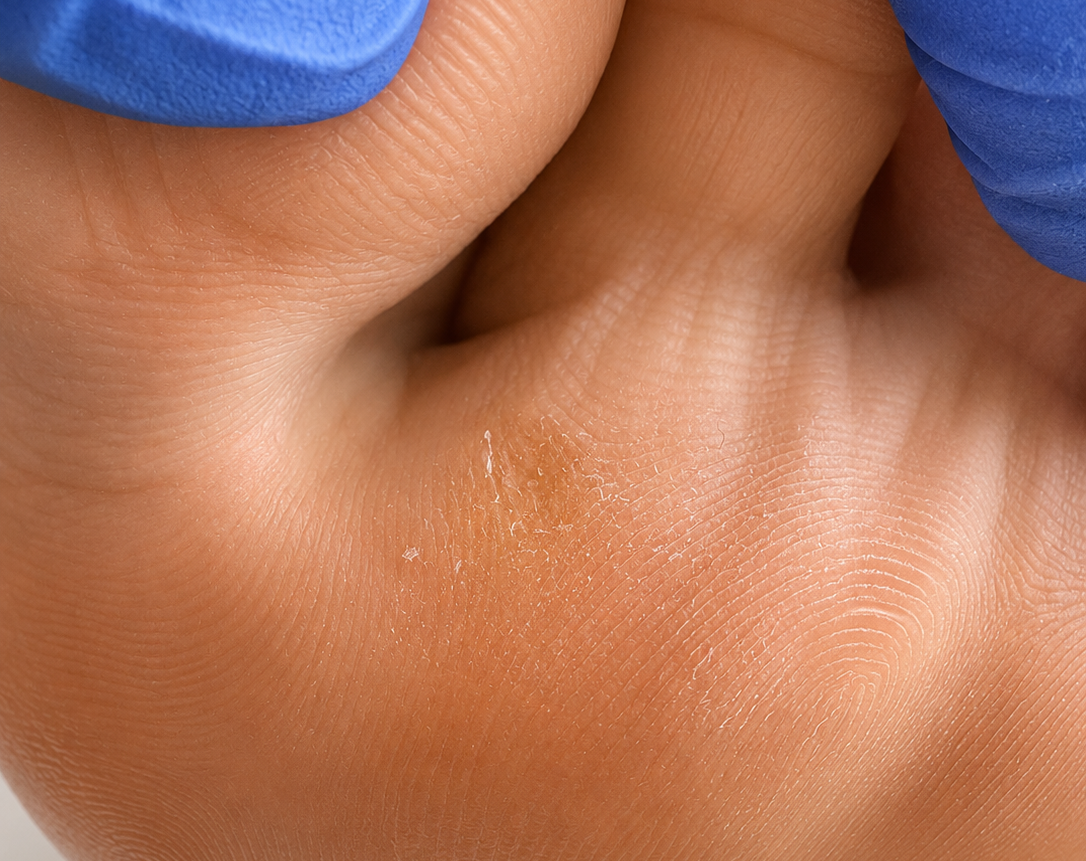
Skin Conditions
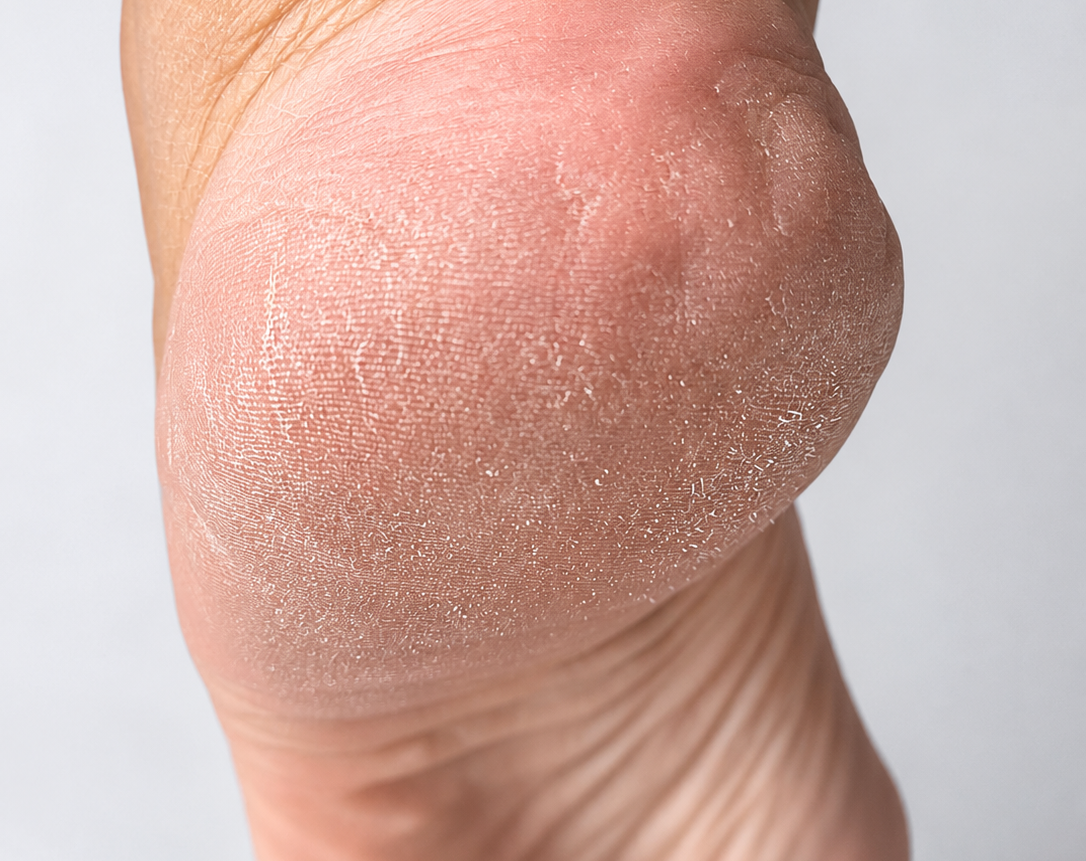
Common skin conditions:
- Dry skin
- Cracked heels
- Calluses and corns
- Athlete’s foot (fungal infection)
- Excessive sweating and associated skin irritation
- Minor friction blisters
- Skin irritation caused by footwear
Sole Wellness can help manage a range of common skin conditions affecting the feet by assessing the problem, providing appropriate treatment, and advising on prevention. Healthy skin is essential for protecting the feet from injury and infection, so early management can improve comfort and reduce complications.
I can help by:
- Assessing the condition: Examining the skin to identify the cause of symptoms such as dryness, scaling, itching, cracking, redness, or thickening, and determining whether further medical assessment is needed.
- Providing treatment: Depending on the condition, I may remove thickened or damaged skin, treat cracked heels, and recommend appropriate emollients or over-the-counter products to improve skin health.
- Managing fungal infections: I can recognise signs of athlete’s foot (tinea pedis) and advise on suitable antifungal treatments, foot hygiene, and measures to prevent the infection from spreading or recurring.
- Treating pressure-related skin problems: Safely manage calluses and corns that result from friction and pressure, helping to relieve pain and reduce the risk of skin breakdown.
- Giving skin care advice: Providing guidance on daily foot hygiene, moisturising, nail care, sock selection, and footwear to maintain healthy skin and prevent future problems.
- Identifying when referral is needed: If a skin condition appears unusual, severe, persistent, infected, or potentially serious, I can refer you to a GP, podiatrist, or dermatologist for further investigation and treatment.
Benefits:
- Relief from discomfort, itching, and pain.
- Improved skin health and foot function.
- Reduced risk of infection and skin breakdown.
- Personalised advice to prevent recurrence.
- Early recognition of conditions requiring medical treatment.
When to seek prompt assessment
You should seek professional advice if you notice:
- Persistent or worsening skin changes.
- Signs of infection, including redness, swelling, warmth, pus, or increasing pain.
- Deep cracks that bleed or do not heal.
- Skin problems if you have diabetes, poor circulation, or peripheral neuropathy.
- A new or changing skin lesion that does not improve with routine care.
By combining treatment with education and preventive advice, Sole Wellness helps maintain healthy skin, improve comfort, and support overall foot health.
Verrucas
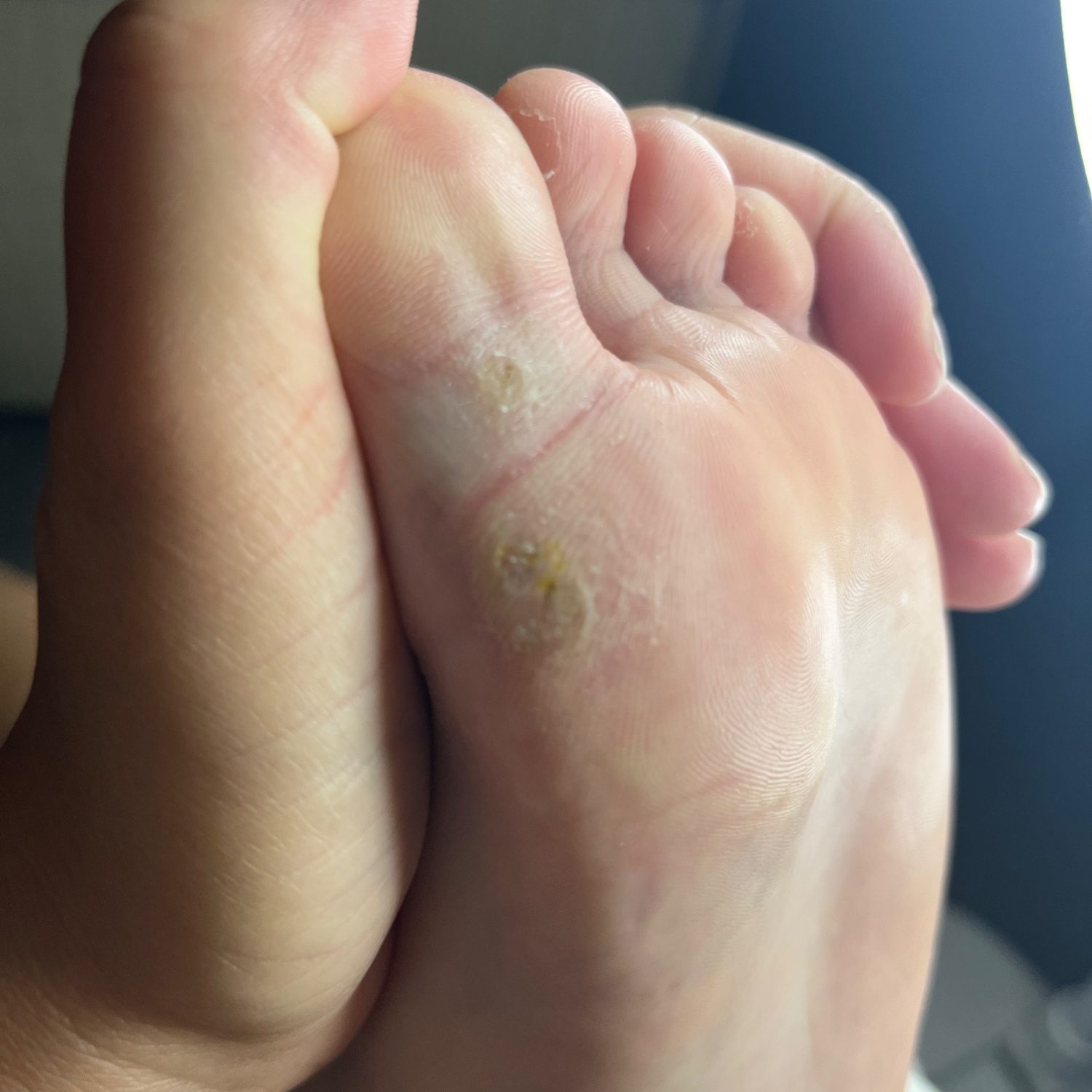
A verruca (plantar wart) is a viral skin lesion caused by the human papillomavirus (HPV), commonly found on weight-bearing areas of the foot.
Management includes:
- Assessing the lesion to confirm it is a verruca and ruling out other conditions.
- Providing advice on preventing spread, including good foot hygiene, avoiding picking the lesion, and wearing footwear in communal areas.
- Reducing painful overlying hard skin where appropriate to improve comfort.
- Applying suitable treatments within my scope of practice, such as topical agents if permitted.
- Advising on home care and monitoring progress over time.
- Referring to a podiatrist or GP if the diagnosis is uncertain, the verruca is persistent, painful, extensive, or if the patient has diabetes, poor circulation, immunosuppression, or other risk factors.
Contact
Telephone: 07466 556240
E-mail: contact@sole-wellness.co.uk
Opening hours
Monday – Friday 9:00am - 5:00pm
Saturdays 9:00 - 1:00pm
Sundays Closed